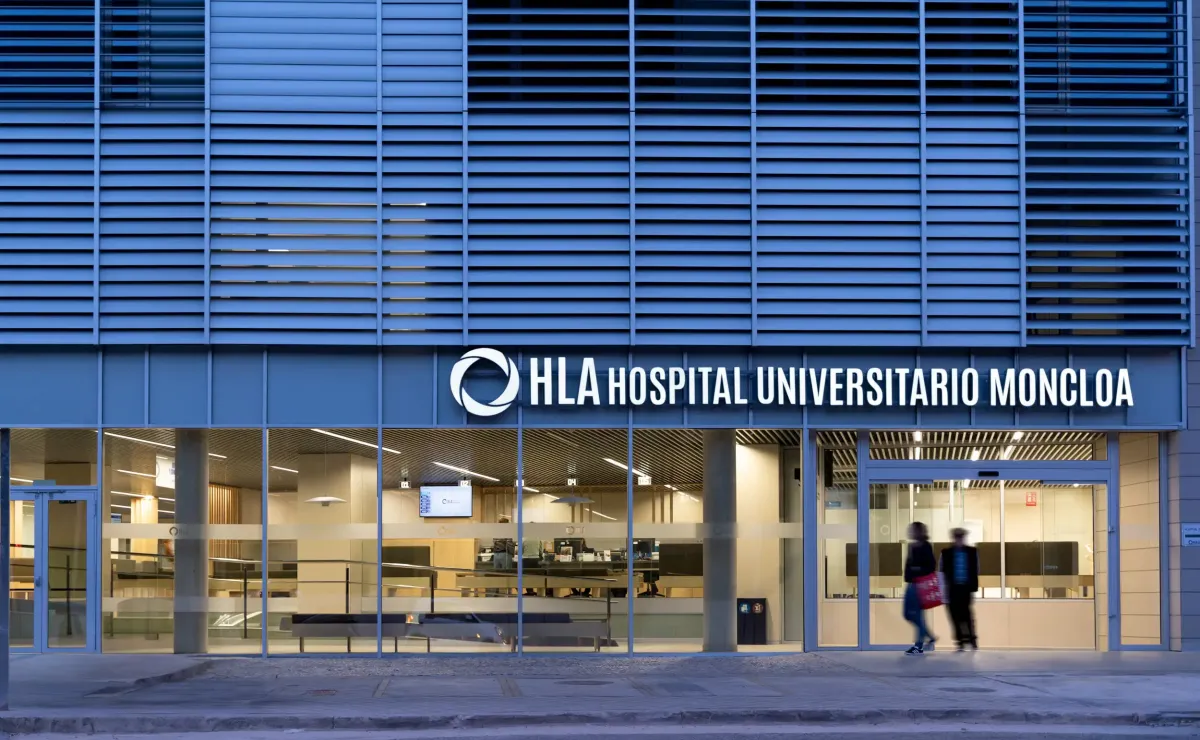
The Clinical Neuropsychology unit at HLA Hospital Universitario Moncloa has developed “CREZCO”, a child neuropsychological screening program aimed at children between 5 and 11 years old. It is designed for the early detection of neurodevelopmental difficulties and the promotion of a preventive approach within school learning. The program is carried out both at the hospital's own consultation rooms and in collaboration with schools that request it.
Rosa Coba, head of the Clinical Neuropsychology Unit, explains that “child neuropsychological development goes through two particularly sensitive stages during school age. Between 5 and 7 years old, the main learning prerequisites are consolidated, and given the high brain plasticity characteristic of this stage, early identification of potential difficulties is essential. Between 7 and 11 years old, the consolidation of instrumental learning takes place, along with the development of higher-complexity cognitive functions, which are directly involved in academic performance and school autonomy.”
A comprehensive response to the risk of school failure
CREZCO responds to a healthcare need detected in the center's consultations over recent years. 20% of the school population presents learning difficulties or neurodevelopmental disorders, and clinical evidence shows that early detection and timely intervention significantly reduce the risk of school failure, as well as the appearance of associated emotional and behavioral problems.
CREZCO is a screening program with a comprehensive approach to child development, aimed at both the early identification of risk situations and the recognition of strengths and normotypic developmental profiles. “This approach allows us to offer families and the educational environment clear guidance for personalized learning and early support,” comments the neuropsychologist. “Detecting in time represents a real opportunity to prevent school failure and reduce the emotional and social impact of learning difficulties on children and families.”