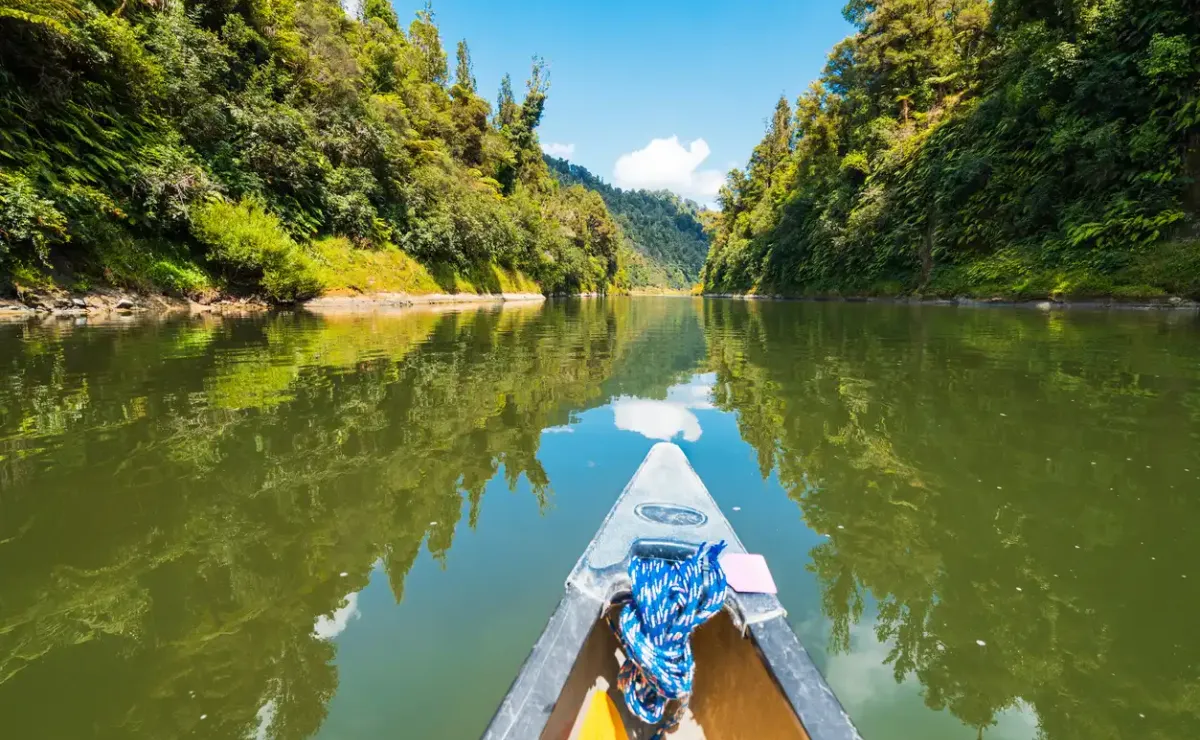
For more than 140 years, the New Zealand Māori led the longest legal dispute in the country's history. Ever since British colonization and the signing of the Treaty of Waitangi in 1840, the government expropriated, fragmented, and exploited the Whanganui River for commercial navigation, hydroelectric power generation, and tourism. This resource-extraction mindset progressively degraded the ecosystem and ruptured the social fabric of the communities that relied on it.
The turning point came in March 2017 with the passing of the Te Awa Tupua Act. In an unprecedented move, the New Zealand Parliament recognized that the Whanganui River is a living, indivisible entity with its own legal personality. That is, the water, the riverbed, the fauna, and the flora from the mountains to the sea now hold the exact same rights, duties, and legal protections as a human being. Under this framework, polluting the river is no longer a simple administrative offense: it is, for all practical purposes, a physical assault against a person.
A model of cooperative and collective governance
Since a river cannot sign documents or speak in a courtroom, the truly fascinating challenge has been creating its cooperative and community governance model. The river relies on Te Pou Tupuna, two legal guardians who act as its voice: one appointed directly by the Māori tribes and the other by the Government of New Zealand.
This tandem does not operate in isolation. To make any decision concerning the river basin, Te Kōpuka was established—a collective management body where indigenous representatives, local councils, environmental organizations, farmers, livestock owners, and tourism companies sit at the same table. Decisions are not made based on private profit or short-term economic growth, but through consensus and under a non-negotiable premise: every project must prioritize the well-being and restoration of the river. Furthermore, the project was granted a cooperative capital fund designated exclusively for ecosystem regeneration, reversing decades of environmental damage through cleanup and reforestation work led by the residents themselves.