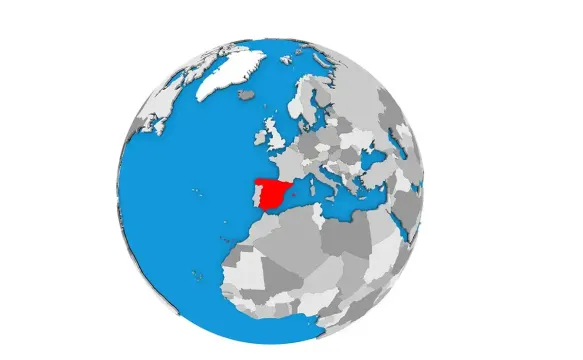
The approval of the Comprehensive Law for the Promotion of the Social Economy represents a qualitative leap in how Spanish cooperatives manage their internal democracy. After an intense parliamentary debate, the text ratified by Congress not only recognizes the strategic weight of a sector that generates 11.1% of GDP, but also introduces profound changes in the daily operations of the more than 127,000 entities that form this productive fabric.
Juan Antonio Pedreño, president of the employer's organization CEPES, has valued this milestone as an advance that reinforces the role of a business model that puts people at the center. However, beyond the employment figures —which reach 2.5 million jobs—, the law stands out for modernizing the pillars of cooperative governance: participation, transparency, and equality.
Digitalization and democratic participation without barriers
One of the most notable advances is the update of the Cooperatives Law to adapt it to the digital era. The new regulation guarantees and expands the digital rights of cooperative members, definitively allowing the holding of assemblies and meetings of social bodies through telematic means. This measure not only provides operational agility but also ensures that democratic participation —the essence of the model— is not limited by physical distances, facilitating reconciliation and real-time decision-making with full legal guarantees.
This commitment to technology is complemented by a reinforcement in transparency and governance. The law simplifies administrative burdens and clarifies management structures, allowing cooperatives to be more competitive without losing their social DNA. In this sense, gender equality stops being an aspirational principle to become an effective management tool. The regulation contemplates the preparation of cooperative equality plans and the creation of Equality Commissions to ensure a balanced presence of women and men in governing bodies, thus promoting a more diverse and fair leadership model.
Zero tolerance against false cooperativism
The law is also born with a protective vocation against bad practices. One of the key points, defended by both the Ministry of Labor and the sector, is the reinforcement of the fight against business intrusiveness. To prevent entities with purely speculative purposes from taking advantage of the advantages of the model, the causes for administrative disqualification have been tightened.
This mechanism will allow for rigorous action against so-called "false cooperativism"—that is, those organizations that operate under a cooperative appearance but violate the principles of democratic participation and solidarity. By clarifying the catalog of entities that make up the sector —including, for example, the Special Employment Centers of Social Initiative (CEEIS)—, the law guarantees that incentives and institutional recognition are directed exclusively to those who fulfill the social function that defines the Social Economy.
In short, Spain adopts a legal framework that not only protects economic growth but also shields the integrity of its cooperatives. As Minister Yolanda Díaz underlined during the debate, this regulation is a decisive step to "democratize" the economy and ensure that cooperativism continues to be a benchmark for business ethics and territorial roots in today's society.