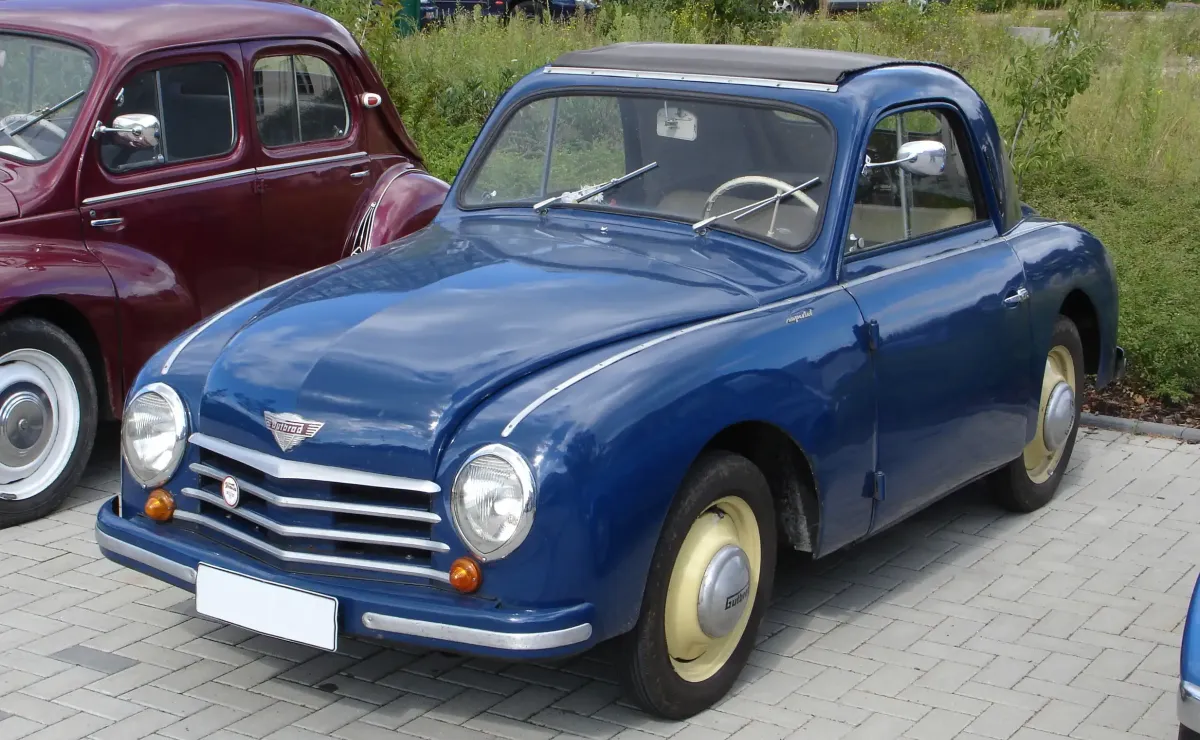
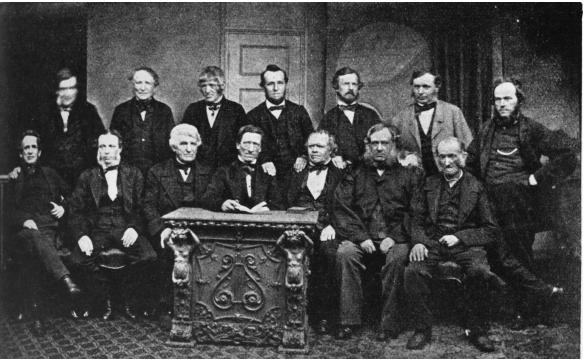
The history of the automobile is almost always told from executive boardrooms in Detroit or Stuttgart, but in interwar Germany, a group of mechanics, chassis craftsmen, and unemployed engineers decided to bypass the bosses. They founded the Gutu cooperative with an audacious vision for the era: to build a high-end automobile controlled entirely by its workers.
A workshop run by assemblies
In the 1930s, front-wheel drive and aerodynamic aluminum bodywork were features reserved for unattainable prototypes. The Gutu workforce designed a vehicle with these precise characteristics by deciding every detail directly on the shop floor through weekly assemblies where a welder’s vote carried the exact same weight as the chief engineer's. There were no shareholders waiting for dividends either, so all surplus resources went directly toward improving wages and equipping the workshop. To learn more about how these democratic production models shape industry, platforms like the International Cooperative Alliance (ICA) document both historical and modern worker cooperative initiatives.
Few local residents had enough cash to buy a car of that caliber outright. To solve this, the cooperative devised a system where any buyer could reduce their bill by contributing labour shifts on the assembly line. Those skilled in carpentry assembled wooden dashboards, while others helped unload sheet metal or polish body panels. The customer was not merely purchasing the vehicle; they were literally helping to build it.
Industrial repurposing and a self-managed legacy
To keep the numbers balanced without inflating prices, the team scoured major factories across the region for used presses, discontinued tools, and surplus component batches to adapt to their chassis. Modern projects examining the social economy and industrial repurposing, such as those supported by the European Research Institute on Cooperative and Social Enterprises (EURICSE), connect directly with this philosophy of self-management and community efficiency.
Although the project was ultimately cut short by economic instability and the volatile political climate preceding World War II, this model proved that ordinary people could organize to compete in technology and design against the giants of the automotive industry.