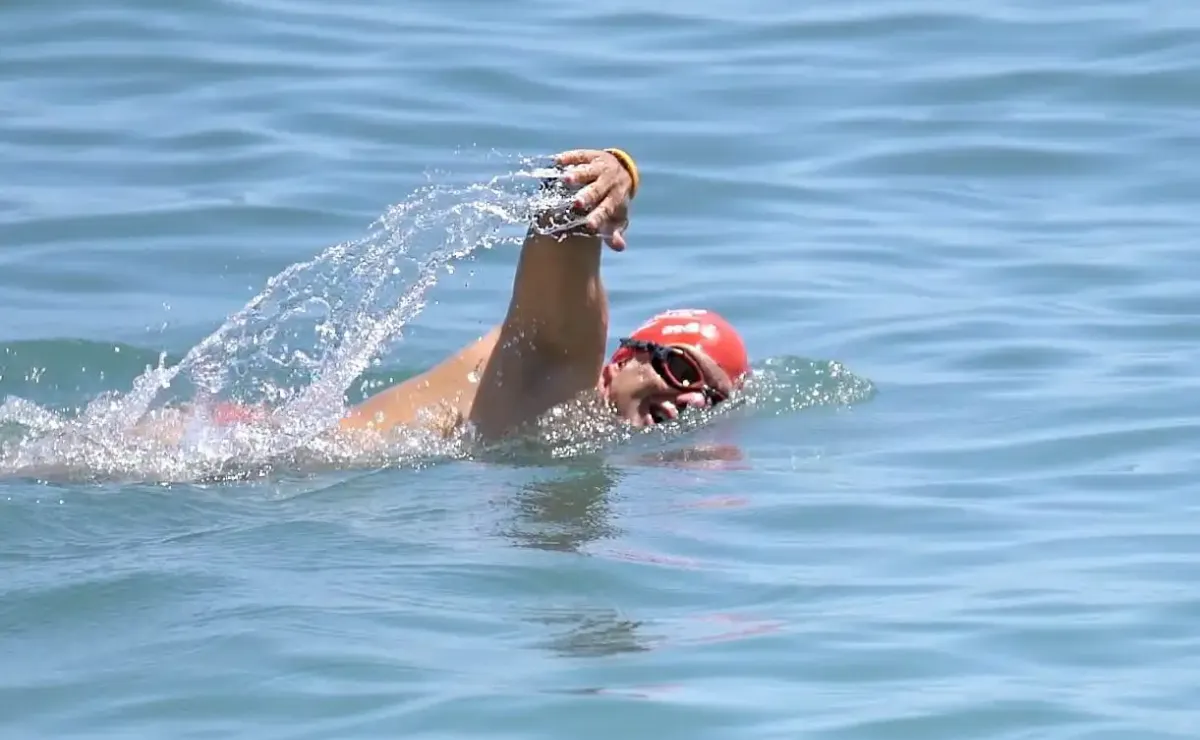
Crivillés is taking on this challenge with the aim of raising awareness of the work of the Spanish Cancer Patients Group (GEPAC) and the Spanish Association of Lymphoma, Myeloma and Leukaemia Sufferers (AEAL), taking his message of support for cancer patients to one of the most challenging settings in the world.
The three events of the Triple Crown of the End of the World
1. Crossing of the Río de la Plata (Argentina – Uruguay)
From Colonia del Sacramento (Uruguay) to Punta Lara (Argentina), or vice versa
• Approximate distance: 35 km
• Water temperature: 16°C to 20°C
• Main challenges: murky waters, strong waves, exceptional width of the river (up to 200 km at its mouth), winds that generate conditions similar to the open sea.
• Description: it is one of the widest rivers in the world and, in its central sections, its characteristics resemble those of the ocean. The changing currents and short, heavy waves make it a unique challenge. Completing this crossing means conquering one of the toughest distances on the circuit in a complex sailing environment.
2. Beagle Channel Crossing (Argentina – Chile)
Between Ushuaia (Argentina) and Puerto Williams (Chile)
• Approximate distance: 10 km, according to the authorised route
• Water temperature: 7°C to 10°C
• Main challenges: Cross currents, sudden winds, marine wildlife and restricted navigation.
• Description: Considered one of the wildest crossings on the planet, the Beagle Channel is a natural passage that crosses the southern tip of the continent. Its cold waters, unpredictable weather and location in the heart of sub-Antarctic territory make this crossing a real mental and physical test. For many swimmers, the Beagle is the point where ‘the sea shows who's boss’.
3. Strait of Magellan (Chile)
In the Magallanes and Chilean Antarctic region
• Approximate distance: 4–5 km on its official route
• Water temperature: 2°C to 5°C
• Main challenges: extremely powerful currents, violent tides, constant wind, extreme external temperatures.
• Description: For centuries, the Strait of Magellan was one of the most feared sea routes on the planet. For swimmers, it is a setting where nature commands respect: icy waters, unpredictable currents and a very narrow window of time to make the crossing. It is a challenge known for pushing even experienced swimmers to their limits.
Crivillés' challenge: more than just a sporting challenge
Now an international benchmark, Jorge Crivillés is tackling these three challenges as part of a project that combines sport, personal achievement and solidarity. His goal is not limited to achieving new personal goals: with every stroke, he seeks to raise awareness of the cause of cancer patients and the fundamental work carried out by AEAL. ‘These seas represent the extreme, the unpredictable and the harsh... a parallel with what thousands of patients experience every day. This challenge is for them, for their strength and their struggle,’ says Crivillés.
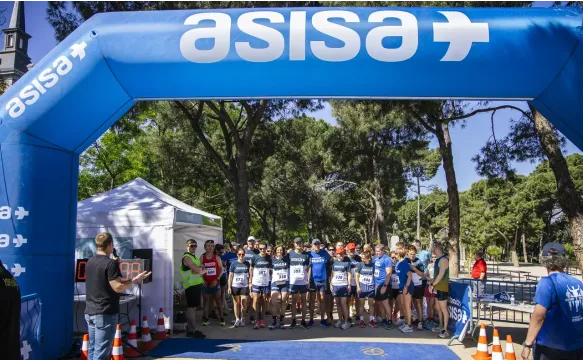
The swimmer's participation is supported by the ASISA Foundation, which promotes initiatives in which sport and health move in the same direction. These sponsorships are in line with ASISA's corporate principles, one of its most recognisable hallmarks being a solid commitment to sponsoring social, cultural and sporting activities.
For this reason, the ASISA Foundation maintains a strong link with the promotion of education and healthy lifestyles. This commitment is reflected in its support and sponsorship of various athletes, organisations and sports clubs, with the aim of promoting sport from the grassroots level.