The cooperative model applied to sport is not a romantic utopia; it is a reality that has proven to be resilient and capable of competing at the elite level. While Sports Limited Companies (SAD) prioritize shareholder profit, football cooperatives—or clubs owned by their members—prioritize sustainability, local roots, and social identity.
The German model and the success of collective ownership
One of the most solid benchmarks worldwide is German football. There, the famous “50+1 rule” prevails. This regulation by the German Football League (DFL) stipulates that, to obtain a competition license, the parent club must hold the majority of voting rights. This ensures that fans—the members—maintain control over strategic decisions, preventing external investors from taking absolute command. The 50+1 rule is the guarantee that German football continues to belong to the people and not to the markets.
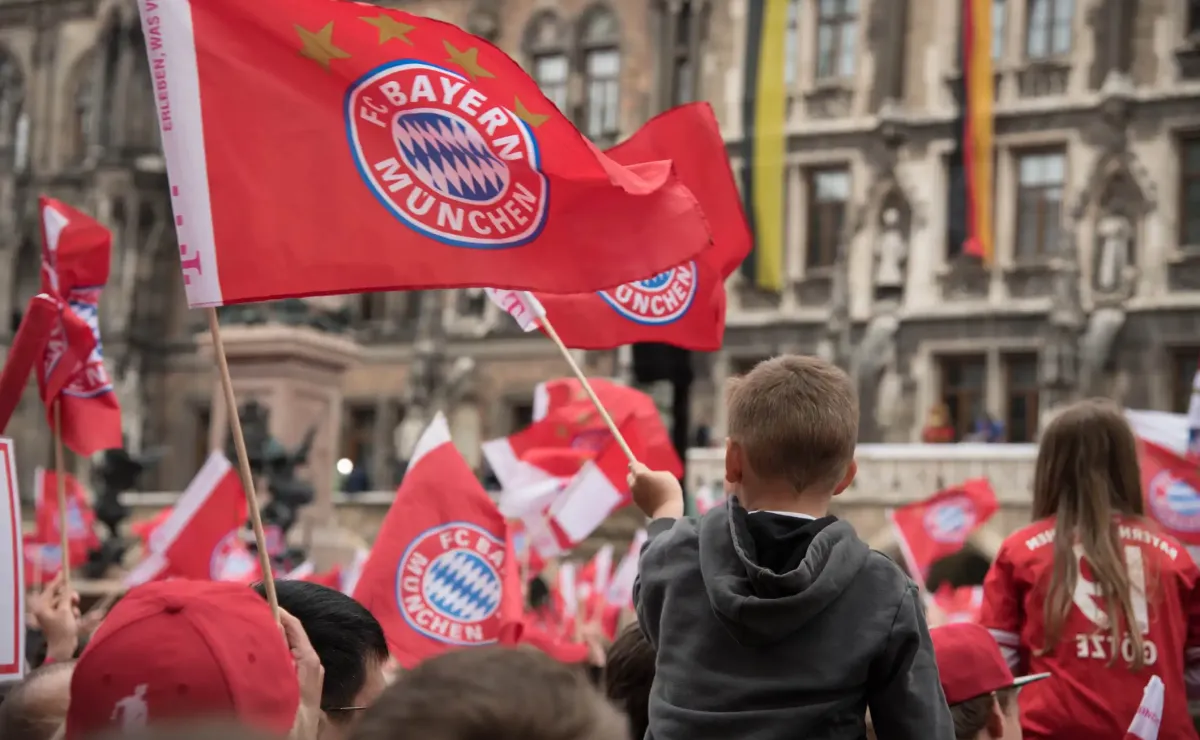
This system has allowed the Bundesliga to maintain the lowest ticket prices among the major European leagues and the highest attendance levels. It is no coincidence that clubs like Bayern Munich, with more than 290,000 members, operate under a structure where the social club is the majority owner. Here, economic success is not the ultimate goal, but the means to ensure sporting competitiveness and the satisfaction of its social base.
The Spanish case
In Spain, the landscape changed drastically in 1990 with the Sports Law, which forced most clubs to convert into SADs. However, the cooperative spirit has resurged strongly through so-called “popular football”. Organizations like FASFE (Spanish Football Shareholders and Members) promote democratic management and collective ownership.
Examples such as Unionistas de Salamanca CF or CAP Ciudad de Murcia operate under the premise of “one member, one vote.” These entities do not seek profit, but rather the preservation of sporting values. In the strictly cooperative field, the experience of the Sociedad Cooperativa Galega Club Deportivo Ourense stands out, which at the time sought social economy formulas to save the club's identity.
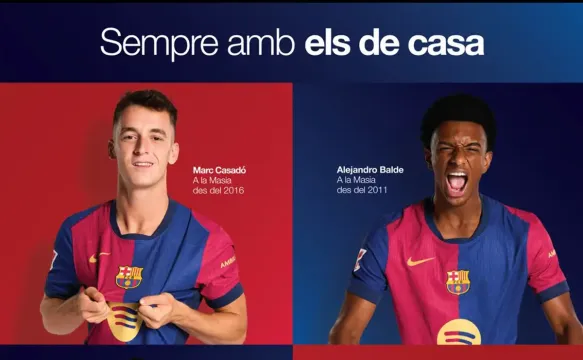
Furthermore, cooperativism provides management tools that modern football often forgets: transparency and the reinvestment of surpluses into the youth academy and the local community. When a club is managed like a cooperative, the “customer” disappears to make way for the “co-owner,” transforming passion into responsibility.
The future of football does not have to be written in the offices of multinationals. The cooperative model offers a way to return the game to those who love it. By applying the principles of the International Cooperative Alliance (ICA) to sport—democratic management, economic participation, and commitment to the community—football regains its social function.