The Rise of the Toy Hospital
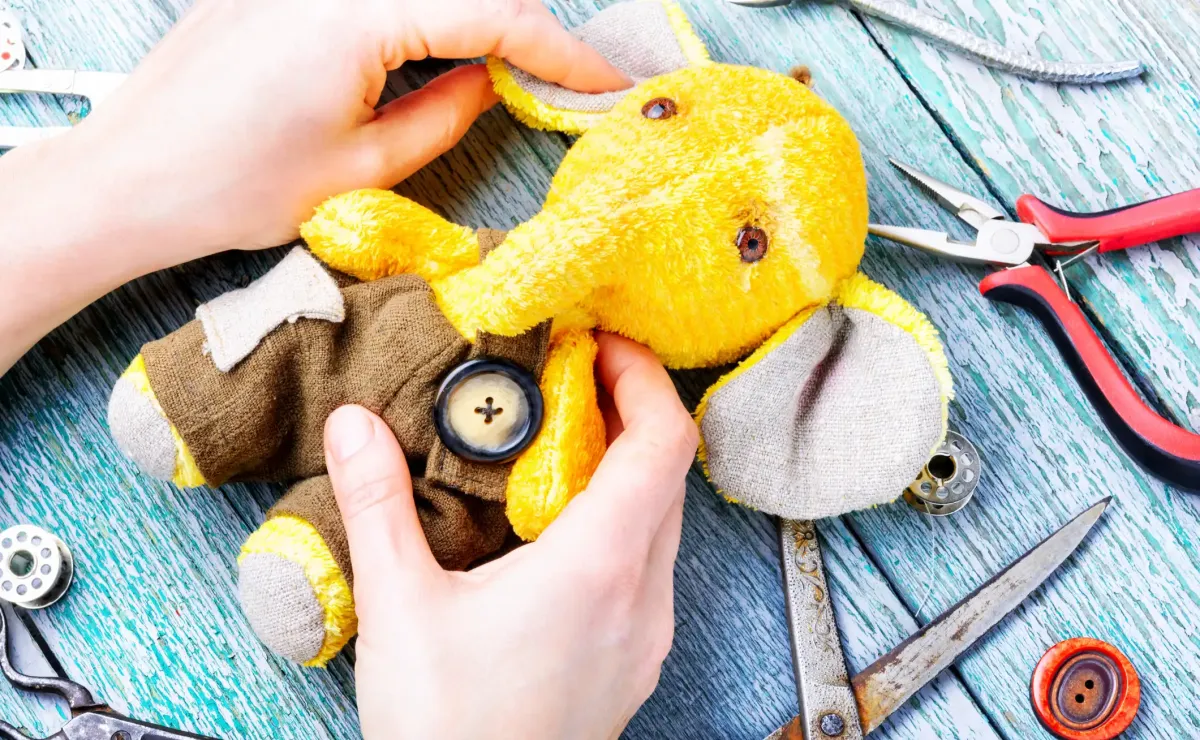
One of the most fascinating approaches of this movement is the recovery of artisanal trades applied to repairs. In places like Barcelona, the famous Hospital de les Joguines has demonstrated that a broken toy is not waste, but an opportunity to tell a new story. Worker cooperatives adopting this concept integrate carpenters, seamstresses, and 3D printing hobbyists. When an item suffers an issue, it enters the organization's repair center to be restored or upgraded.
Far from hiding the repair, the concept of the "beautiful scar" is encouraged, teaching young children that objects hold an intrinsic value that goes beyond industrial and aesthetic perfection. It is a direct lesson in sustainability and resilience.
Circular Subscription: Toys That Grow With Child Development
For families, storing objects that become obsolete within a matter of months poses both a logistical and financial challenge. This is where consumer cooperatives implementing subscription models step in, inspired by international platforms like Whirli in the UK. Members pay a recurring fee and receive a curated bundle of educational toys tailored to the children's developmental stage. When the next pedagogical challenge is reached, the items are returned, thoroughly sanitized, and passed on to another family.
This rotation system not only drastically reduces the carbon footprint but also introduces a valuable educational element: a sense of community. By including a digital or physical passport with each toy, it is possible to track the past adventures that the object experienced, fostering empathy and collective care.
Technology Serving Tradition
Modern cooperativism does not turn its back on technological innovation. Global projects like Toy Rescue in France have released free open-source 3D blueprints to print replacement parts for the market's most iconic toys. A local platform cooperative can leverage this digital ecosystem to connect neighborhood toy shops and repair centers, making it easier for anyone to fix an incomplete game without prohibitive shipping costs.
Why Bet on a Cooperative?
The cooperative model brings a unique human value to the children's play sector. By placing the well-being of families and the health of the planet at the core of their decisions, these organizations prove that commerce can be a powerful tool for positive transformation. Reinvesting profits back into the local community, generating inclusive jobs, and encouraging conscious consumption are the pillars that make cooperatives the perfect allies to support the growth of future generations.