In these establishments, the logic of consumption is completely inverted: to be able to cross the threshold and fill the cart with high-quality products, having money in your account is not enough; it is necessary to contribute the most valuable resource of the modern era: time. The operation is as simple as it is revolutionary in its execution. To be a customer, one must first be a member-owner, which involves a small initial capital investment in the cooperative.
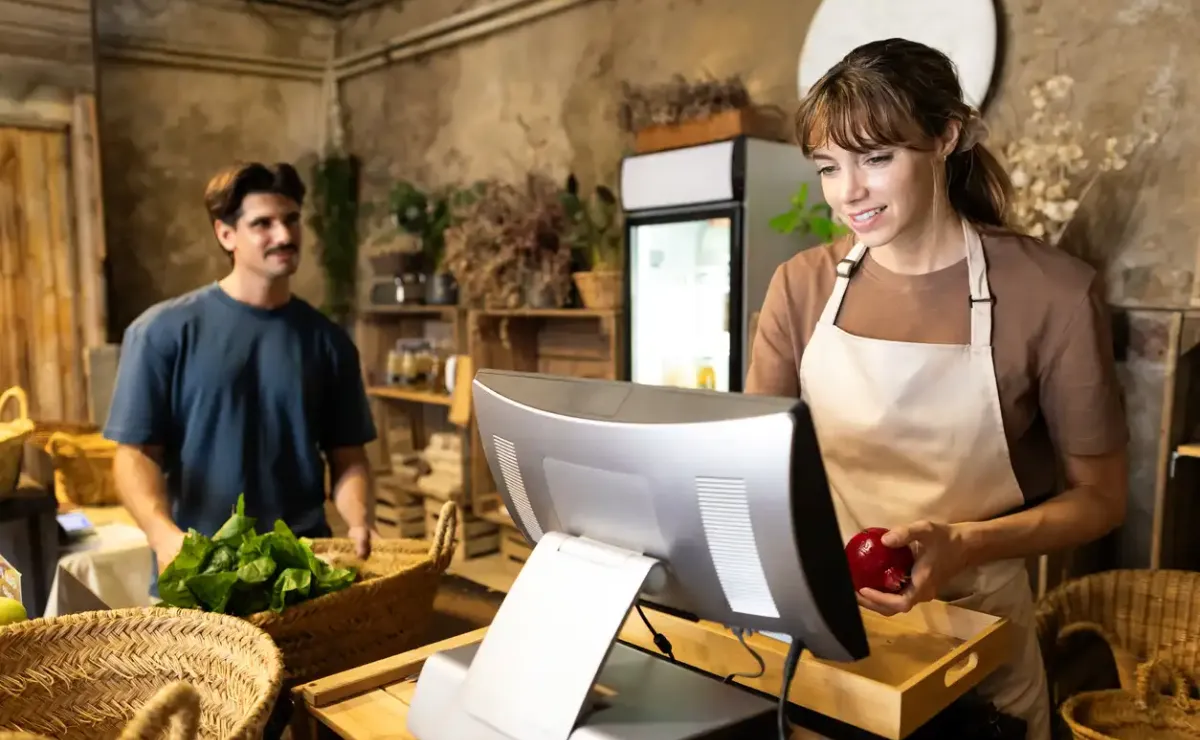
However, the true engine of the system is the commitment of each member to work three consecutive hours every four weeks on the most mundane tasks of the business. From unloading trucks of vegetables at dawn to cleaning the aisles or scanning products at the checkout, the members take on the functions that a massive salaried workforce would perform in a conventional supermarket. By drastically reducing operating costs related to personnel, the profit does not evaporate into the pockets of distant shareholders, but is immediately translated into a direct discount on the final price paid by the consumer.
This model, exemplified by the resounding success of La Louve in Paris or La Osa in Madrid, breaks the prejudice that eating healthy and organic is a privilege reserved for the elite. By eliminating the corporate profit margin and negotiating directly with local farmers and ranchers, these supermarkets manage to democratize access to food that, in large retail chains, would have prohibitive prices.
Sovereignty and ethics on the shelves
The member not only saves money but also recovers sovereignty over what they eat. In the assemblies of these cooperatives, it is democratically decided which products enter the shelves, prioritizing criteria of social justice, animal welfare, and environmental sustainability over simple stock rotation or profitability per square meter.
But beyond economic savings and product quality, there is an invisible social impact that is, perhaps, the greatest achievement of these projects. In a society where the weekly shop has become a mechanical, solitary act mediated by screens, the cooperative supermarket returns the human component to commercial exchange. Working shoulder to shoulder with a neighbor to organize the cheese section or debating the best origin for oranges creates a community fabric that large-scale distribution has destroyed.