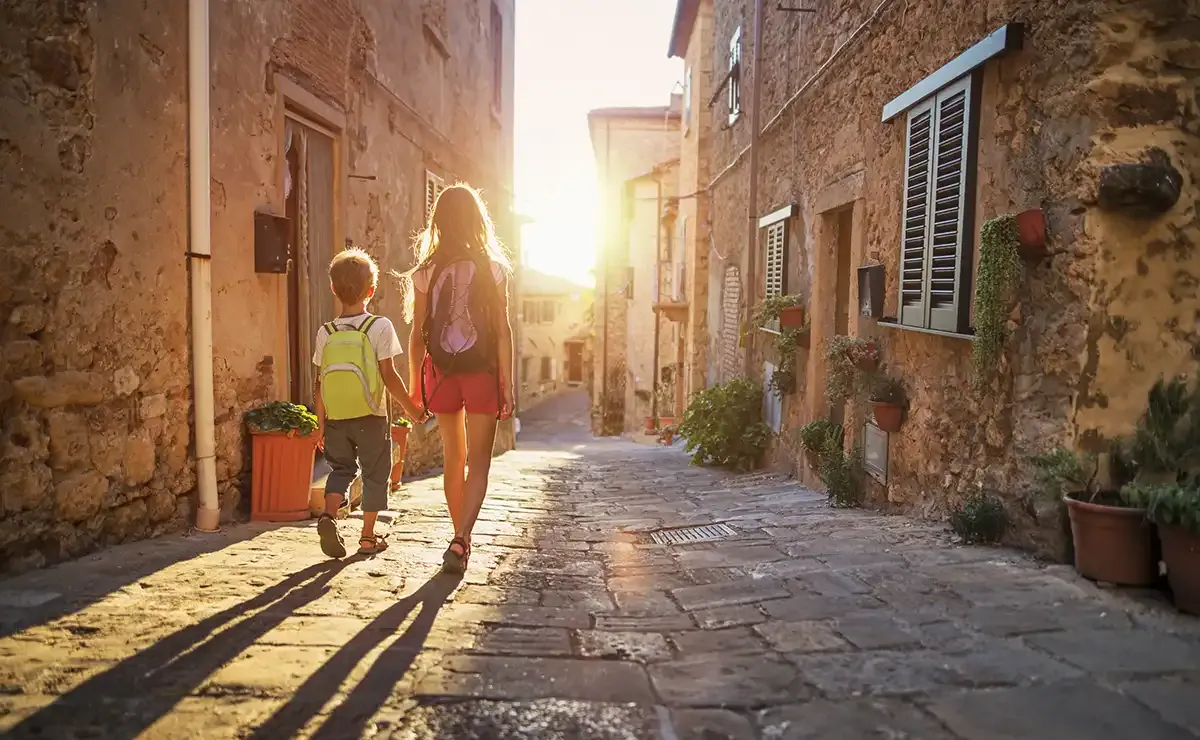
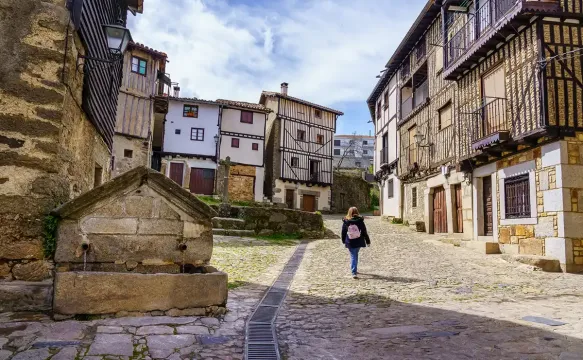
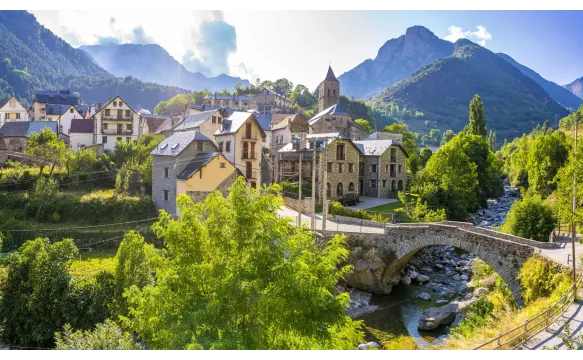
Imagine a town where the last school closed a decade ago. This is the landscape of "Empty Spain", an emotional and architectural heritage that is crumbling. However, in places like the Aran Valley or the Aragonese Pyrenees, the keys are turning once again. The difference has been made by the union of neighbors under a disruptive formula: the Community Cooperative.
In this model, heritage is a collective asset. Owners of uninhabited houses cede the use of their properties to the cooperative. In exchange, the entity manages the comprehensive rehabilitation, using bioconstruction and energy efficiency criteria, and looks for new inhabitants to bring life back to the streets.
From empty houses to local economic engines
The most vibrant example is the Cooperative di Comunità de Italia. There, entire villages cooperatively manage what the private market abandoned, recovering housing for regenerative tourism and remote work. The cooperative offers colivings for digital nomads or families looking for a life change.
The disruptive element is the destination of the profit: the cooperative reinvests every euro into the municipality itself. The income finances the rural pharmacy, fire prevention, or services for elderly members. It is a circular economy where rehabilitated stone generates personal well-being.
Modern "Masovería" for living with purpose
Another fundamental piece is urban masovería (land stewardship) adapted to the countryside. Projects in the Pallars or the Alt Urgell allow young people to return to the rural world without the burden of an infinite mortgage. The deal is powerful: new inhabitants rehabilitate and care for the estate in exchange for symbolic rent and a very long-term contract.
This system prevents towns from turning into "cardboard movie sets." An example is Arterra Bizimodu, in Navarra, a vibrant community that manages its resources in a sustainable way.
The town becomes a living space 365 days a year once again. Recovering a house through cooperativism is the best medicine against loneliness, proving that our rural history still has its best pages yet to be written.