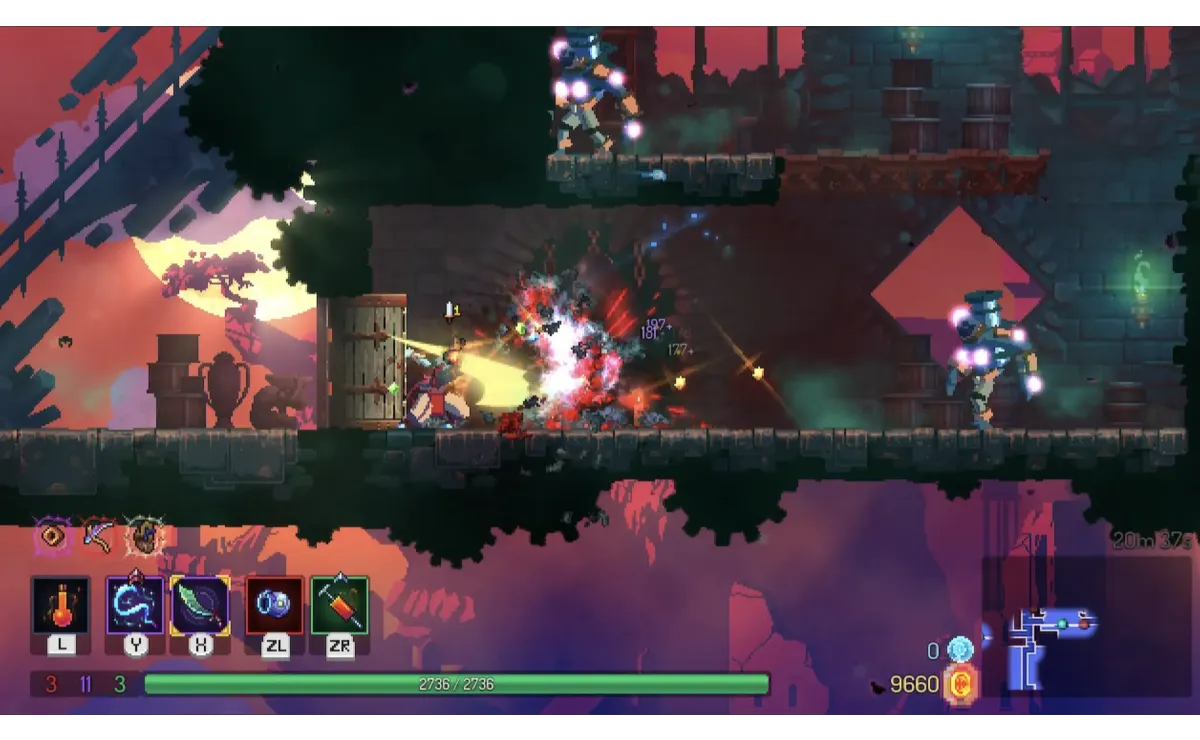
Motion Twin, the independent studio based in France and creator of the acclaimed video game Dead Cells, operates under a pure cooperative model that challenges traditional corporate structures. In this organization, there are no CEOs or vertical hierarchies. From the lead designer to the marketing manager, every single team member has exactly the same decision-making power.
The management principle is rooted in internal democracy. Every worker is a member-owner of the cooperative, meaning that strategic choices, project directions, and resource management are voted on equally. This horizontal structure removes middleman pressure and returns creative and business control to those who actually do the daily work, serving as a prime example of how the social economy can be applied to technology.
Identical salaries and economic justice
One of the most striking and revolutionary policies of this studio is its wage structure. At Motion Twin, all team members earn exactly the same salary. This measure not only eliminates the wage gaps that typically spark tension within development teams, but also fosters a deep sense of shared responsibility and belonging.
When a project becomes a massive commercial success, as happened with the launch of their flagship title, profits are distributed equally among all workers. This redistributive approach ensures that collective effort translates into shared well-being, rather than solely enriching a corporate executive board or external investors who play no part in the creative process.
Proof that equity is profitable
Conventional business sectors often argue that horizontal and cooperative structures are idealistic but ineffective when competing in highly demanding global markets. The case of this French studio completely debunks that myth. Their approach has not only been a triumph for human resources, but also an international sales and critical phenomenon that has rivaled the market's biggest productions.
The success of their model proves that when professionals work in an environment free from exploitation, with fair wages, and with the real power to decide their own professional future, creativity and productivity flourish naturally. Worker well-being is not an obstacle to profitability, but rather the main engine of innovation within the framework of democratic workplaces.
Worker cooperatives represent a viable and transformative alternative for tech and creative sectors that urgently need to overhaul their labor practices. Experiences like this pave the way toward a more humane digital economy, where talent is nurtured through mutual respect and equity.