Cooperatives of the World
The Miracle of Emilia-Romagna and the Power of Collective Success
In northern Italy, a network of thousands of worker-owned companies generates nearly a third of the regional GDP with record levels of well-being
The cooperative movement at the service of social medicine


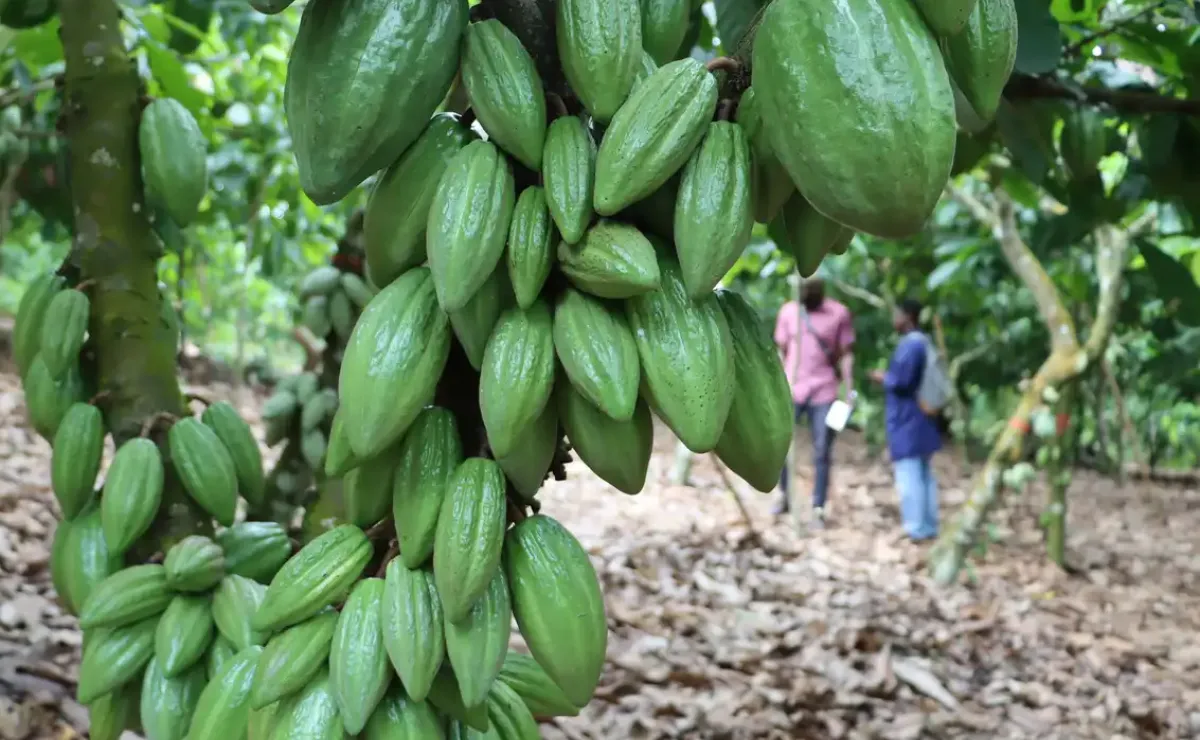
In the complex landscape of the global economy, the cocoa sector has historically been one of the clearest examples of inequality, where farmers in the global South shoulder the hard work while the added value remains in major Western capitals. However, in the early 1990s, a group of growers in Ghana decided it was time to change this dynamic.
This is how Kuapa Kopoo was born, an organization that started as a small common front against middlemen who cheated on weights and has now become a global benchmark for the social and solidary economy. Under the motto Pa Pa Paa, which in their local language means "the best of the best," this union of farmers proved that self-management knows no borders.
The true milestone that transformed the history of this organization took place in 1998, when they rejected the role of mere raw material suppliers. In an unprecedented business move, the cooperative co-founded its own finished products brand in the United Kingdom: Divine Chocolate. The key difference from any conventional fair trade agreement is that Ghanaian farmers do not just receive a decent price for their cocoa; the cooperative is actually the majority owner of the British company. This shared ownership model ensures that the profits generated from sales in European and American supermarkets return directly to the communities of origin[cite: 1, 2].
The impact of this paradigm shift goes far beyond financial figures. The dividends obtained are democratically channeled through the cooperative structure to finance vital infrastructure projects that local governments often cannot afford. Thanks to chocolate, dozens of villages in Ghana have built primary schools, installed drinking water systems to prevent diseases, and set up community health centers that save lives on a daily basis.
Furthermore, the organization has become an indispensable driver for women's empowerment in rural Africa. Traditionally excluded from economic decisions, the cooperative actively encourages women to hold land titles, receive financial management training, and occupy leadership positions on executive boards, proving that international cooperativism is the most effective tool to transform society from the ground up.

In northern Italy, a network of thousands of worker-owned companies generates nearly a third of the regional GDP with record levels of well-being

In Brazil, cooperatives are an essential pillar of both the economy and society, with an undeniable impact in different sectors. In this gigantic Latin-American country, the cooperative model has been shown to be particularly innovative and effective, making a significant contribution to the accessibility, quality and efficiency of medical care. Let us analyse how these entities face up to the challenges and take advantage of the opportunities in a constantly evolving environment.