Imagine you want to build the biggest sandcastle on the beach, but you only have a small bucket and a plastic spade. It would take a very long time, and you would probably get tired before finishing it. However, if you invite four friends over and each of them brings their own buckets, spades, and rakes, everything changes. In the blink of an eye, you have a huge castle with a moat and towers. This idea of joining forces to achieve something great that we couldn't do alone is, at its heart, the perfect explanation of what a cooperative is.
A great team where every opinion matters
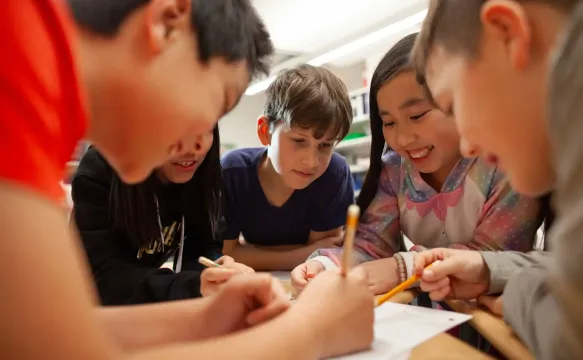
For a child to understand how a cooperative works, it is best to compare it to their sports team or school project group. In a traditional company, there is usually one boss who decides everything. In contrast, in a cooperative, all members are partners and owners at the same time.
This means that when an important decision needs to be made, a single person isn't in charge. A meeting called an assembly is held, where every member gets one equal vote, regardless of their age or how much money they contributed. Whether deciding which flavor of cookies to bake for the week or what new tool to buy for the garden, the whole team votes. Through educational and outreach projects like those by the Alternative and Solidarity Economy Network, children learn that this democratic way of working teaches values such as respect, active listening, and the importance of every voice being heard.
Sharing the cake and helping each other
Another wonderful aspect to explain to kids is what happens with the fruits of their labor. Going back to the sandcastle example or baking a birthday cake among friends: when the recipe turns out great and the cake is ready, the person who bought the eggs doesn't eat it all. The cake is shared fairly among everyone who helped bake it.
In agricultural or consumer cooperatives, when things go well, the profits are shared among member families or used to improve the community. For instance, part of the funds can be used to buy better equipment, plant new trees, or support the local school. Furthermore, on platforms dedicated to promoting responsible and ethical consumption, it is highlighted how this model always cares for people and the environment.
Explaining cooperativism to children means teaching them that collaborating is much more fun and fair than competing. When we combine the energy of many people, we not only get tastier food or stronger projects, but we also learn to take care of the group.